


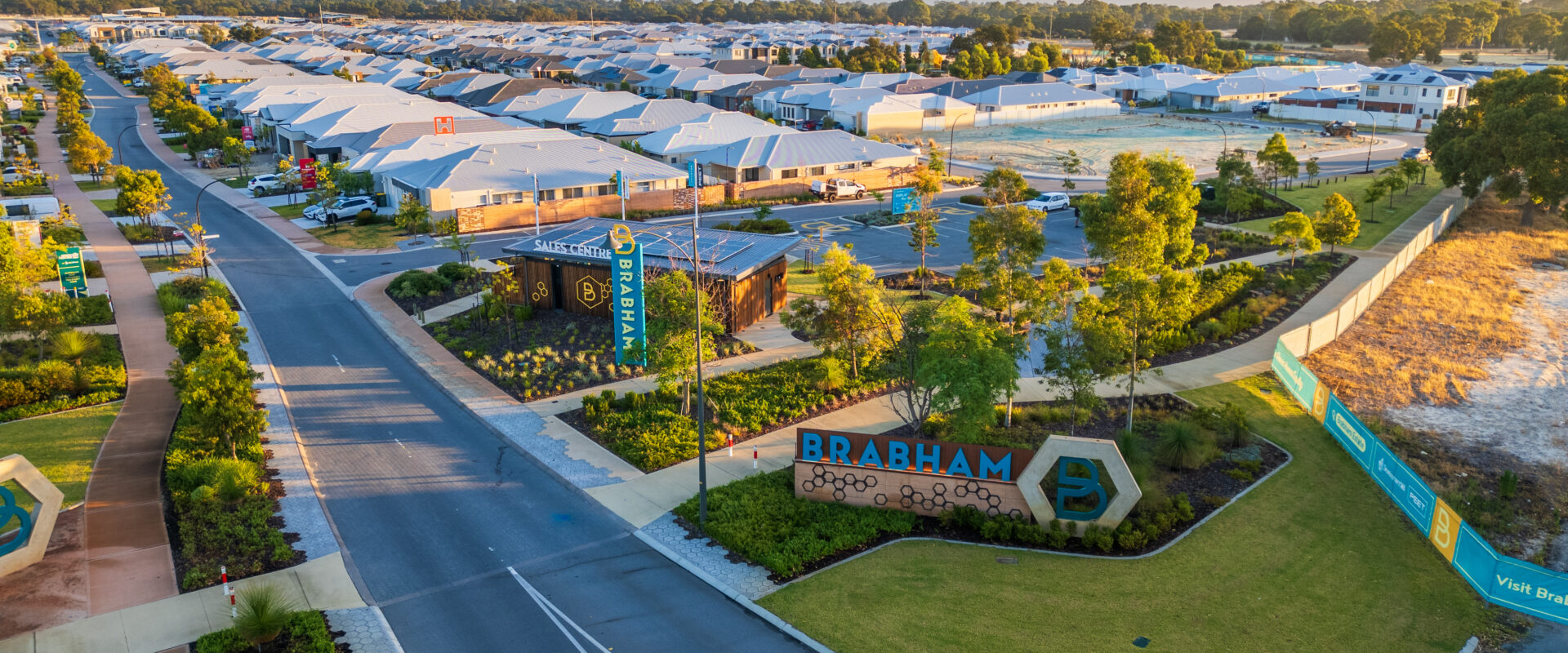
Sustainability & Innovation
Cossill & Webley integrates energy, water, climate and ecological design from day one to deliver future-ready communities.
Engineering a sustainable future
Energy Transformation Services
Our Energy Transformation Services (ETS) team partners with developers to provide fully integrated energy solutions from subdivision planning stage through to project completion. Unlike others who outsource this work, we bring civil and electrical design together in-house, enabling seamless coordination that reduces cost, risk and programme.
Our capabilities include:
- Solar PV and battery storage systems (residential, commercial and community-scale)
- Community microgrids and private embedded networks
- Western Power and Horizon Power network connections and asset upgrades
- Street lighting design (Western Power or private)
- Virtual Power Plant (VPP) integration
- Electrical Vehicle (EV) charging infrastructure, including smart charging hubs and connection design
- Smart Cities technology advice, scoping and design
We’ve delivered embedded energy systems on some of Western Australia’s most innovative projects, including Alkimos Beach, East Village at Knutsford and Witchcliffe Ecovillage.
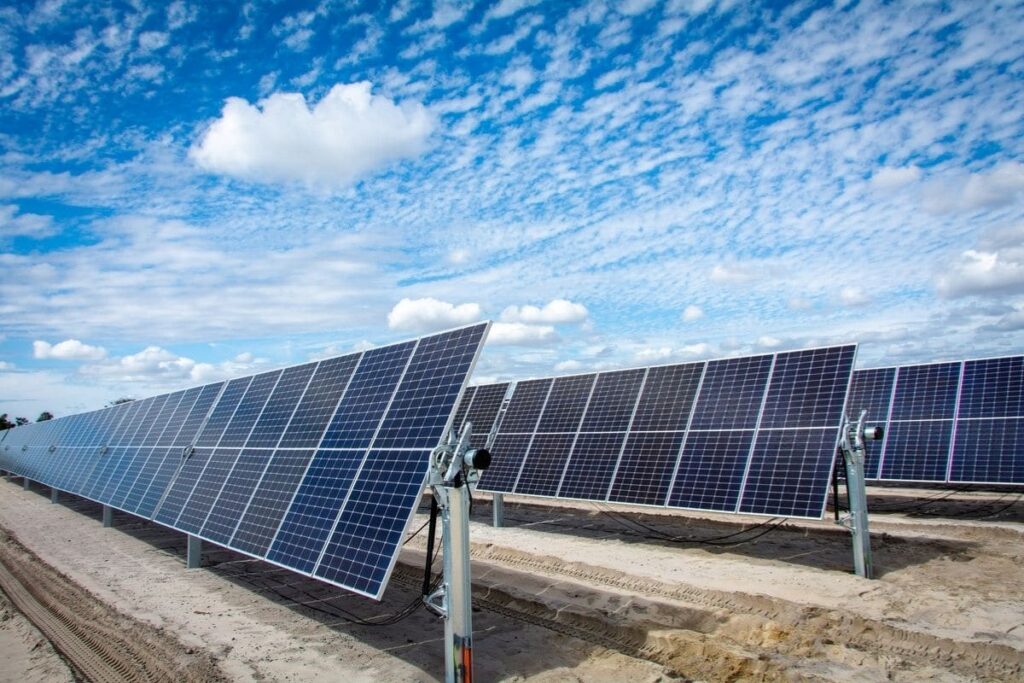
Renewable Energy & Net-Zero Communities
Expectations of future residents and occupants have fundamentally shifted. Energy self-sufficiency, lower utility costs and access to clean power are now key drivers of purchase decisions in residential developments. Cossill & Webley designs communities to meet these expectations and to anticipate tomorrow’s requirements rather than simply satisfying today’s.
Our capabilities span:
- Residential solar PV with battery storage — east-west panel configurations to maximise self-consumption
- Community battery systems and Powerbank integration
- Private microgrid and behind-the-meter energy management
- Stand-alone power systems for remote and rural locations
- Virtual Power Plants (VPPs) — coordinated distributed generation across communities
- Commercial solar arrays, solar carparks and solar/wind farm design
- Energy audits of existing commercial and industrial assets
Our in-house ETS capability means we assess network constraints, model energy demand and engineer solutions that genuinely move projects toward net-zero outcomes. This integrated approach delivers long-term value for our clients and the communities they create, as demonstrated through projects including Eglinton Village, Ocean Reef Marina and Peel Business Park.
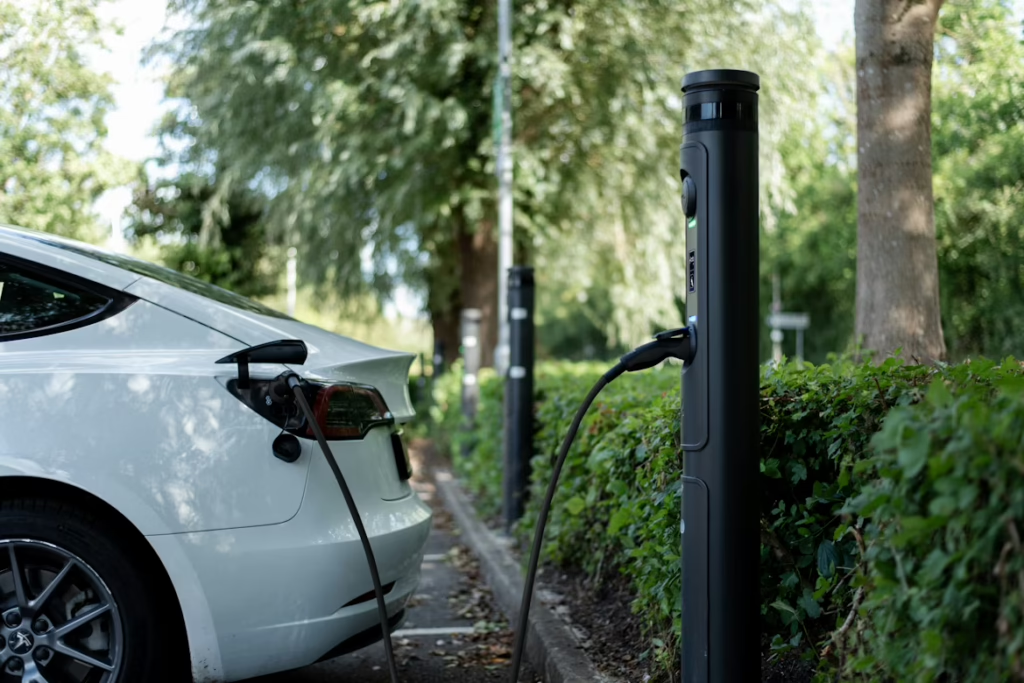
EV Infrastructure
Electric vehicle uptake is accelerating faster than the infrastructure needed to support it. Cossill & Webley helps developers stay ahead by integrating EV charging planning into projects from the earliest stages. Our experience includes supporting projects such as the Bridgetown Ultra Fast Charger, where our team assisted with the electrical network connection application, layout design and approvals to facilitate the delivery of critical regional charging infrastructure.
Our services include:
- EV charger network design for residential, commercial and mixed-use projects
- Connection applications to power utilities
- Smart charging hub scoping and design
- Income-generating privately owned charging station advice
- Grid demand management and daylight load optimisation
By planning EV infrastructure from the outset, we help avoid costly retrofitting and positions developments to attract buyers and tenants who are already transitioning to electric vehicles.
Water Sensitive Design
Water is one of Australia’s most constrained resources, and how it is managed within a development directly shapes its liveability and environmental performance. Cossill & Webley brings deep Water Sensitive Urban Design (WSUD) expertise to our civil engineering practice, working with developers, local governments and water authorities to design stormwater systems that slow runoff, improve water quality, recharge groundwater and create functional open space.
Our approach integrates:
- Bioretention systems and rain gardens
- Constructed wetlands and nutrient-stripping vegetated basins
- Vegetated swales and infiltration basins
- Flush kerbing and permeable paving to maximise on-site infiltration
- Soakwells and managed aquifer recharge of stormwater
- Water-wise landscaping and species selection suited to local soils
- Integrated Urban Water Management Strategies (IUWMS)
- Groundwater monitoring programmes and water balance modelling
We go beyond minimum authority requirements to deliver outcomes that support EnviroDevelopment certification, Waterwise Development status and broader green community accreditation.

Climate Change Design
Infrastructure designed to yesterday’s standards will underperform in tomorrow’s climate. Cossill & Webley integrates climate projections into our civil engineering designs — including updated rainfall intensity data, sea level rise allowances for coastal projects, urban heat island mitigation and increased wind and storm surge exposure.
Our approach includes:
- Climate impact assessments and risk identification at feasibility stage
- Selection of appropriate design standards for long-life infrastructure
- Solar orientation of lots and streets to maximise passive energy performance
- Traffic calming, reduced road reserve widths, and street tree planting to reduce urban heat
- Acid sulphate soil assessments and management to protect waterways
- Sediment and erosion control during construction with temporary stabilisation measures
- Flexibility built into designs to allow for future adaptation
Designing for climate change now reduces whole-of-life costs, improves community safety and minimises the risk of infrastructure failure when the communities need it most.
Carbon Mapping & Emissions Assessment
Carbon measurement and reduction is rapidly becoming a procurement requirement, a planning condition and a key competitive differentiator in land development. Cossill & Webley offers carbon mapping services that quantify the embodied and operational carbon footprint of proposed civil infrastructure, identify the highest-emission elements and model lower-carbon alternatives.
Our services include:
- Embodied carbon assessment for roads, drainage and civil works
- Life cycle analysis of materials to identify energy-intensive choices
- Lower-carbon alternatives including recycled materials and optimised earthworks strategies
- Energy-efficient public lighting specification
- Cogeneration and grid-connected renewable energy feasibility
- Reporting to support green building ratings and sustainability certifications
We provide the data our clients need to set meaningful emissions reduction targets, respond to rating scheme requirements and demonstrate environmental leadership in an increasingly sustainability-driven market.
Tree Retention & Ecological Integration
The value of a mature tree cannot be replicated quickly. Canopy cover, urban cooling, biodiversity, stormwater interception and community wellbeing are all significantly enhanced by retaining significant trees within or adjacent to development. At Cossill & Webley, we approach tree and ecological retention as a design priority from the very first concept plan.
Our approach includes:
- Mapping of significant vegetation and fauna habitat prior to design
- Fauna surveys and relocation prior to clearing activities
- Green corridors designed into road networks to allow species movement
- Retention of POS and foreshore fringe vegetation as ecological buffers
- Litter and seed collection for re-vegetation of foreshore and POS areas
- Mulching and reuse of cleared vegetation in parks and gardens
- Topsoil stockpiling and on-site reuse
- No invasive plant species in public landscaping; 90% native, 20% endemic where possible
- Environmental education strategies and home owner awareness materials
Developments that successfully integrate their natural assets command stronger market appeal, sales outcomes and community goodwill.
Smart Cities
The infrastructure of a modern community extends far beyond roads, drains and pipes. Cossill & Webley’s ETS division provides advice, scoping and design for smart city technologies that make new communities safer, more connected and more efficiently managed.
Our capability includes:
- Multifunction poles and smart bollards integrating LED street lighting, environmental sensors, CCTV, public Wi-Fi and wayfinding assistance
- Data gathering infrastructure for local council and precinct management
- Communication technology infrastructure for fast internet access and mobile connectivity
- Autonomous and electric vehicle readiness planning
- Drone delivery corridor planning and future airspace considerations
- Sensor-integrated waste collection systems to reduce truck movements
- Community intranet and digital communication platforms
In an industry where many consultancies focus on designing the services trench, we design the systems it carries, delivering infrastructure that is not only built for today, but ready for what’s next.
Sustainable Materials
Material specification is one of the most effective levers civil engineers have to reduce the environmental impact of development. Cossill & Webley actively evaluates and specifies recycled and secondary materials where conditions and authority requirements allow.
Our practice includes:
- Recycled concrete aggregate and reclaimed road base in pavement construction
- Crushed glass and other construction by-products as fill and sub-base materials
- Permeable pavement systems (e.g. Rocla Ecoloc Pavers and equivalents)
- Mulch from cleared vegetation reused in POS and streetscape landscaping
- No timber from rainforest sources; preference for local and low-embodied-energy materials
- Reuse of on-site topsoil and haul road materials to reduce import requirements
- Cut-to-fill balance design to minimise material imported from external sources
We work with suppliers and testing authorities to ensure all materials meet relevant Australian Standards and document sustainability outcomes for project reporting and green rating scheme submissions. Recycled material use reduces demand for virgin quarry resources, diverts waste from landfill and can also reduce overall project cost.
Planning & Design Principles
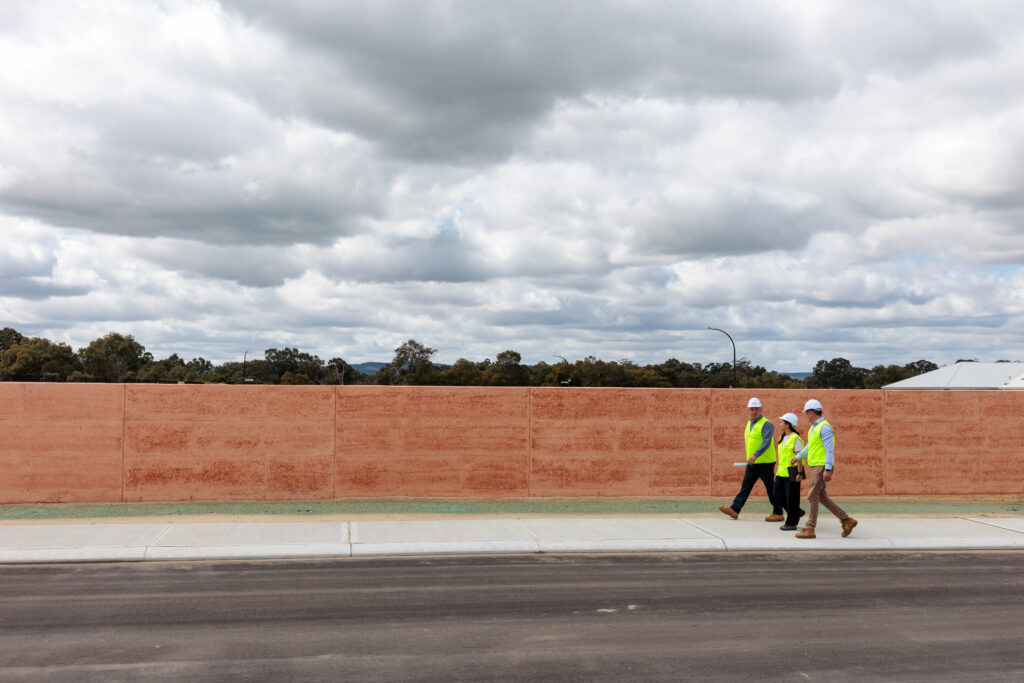
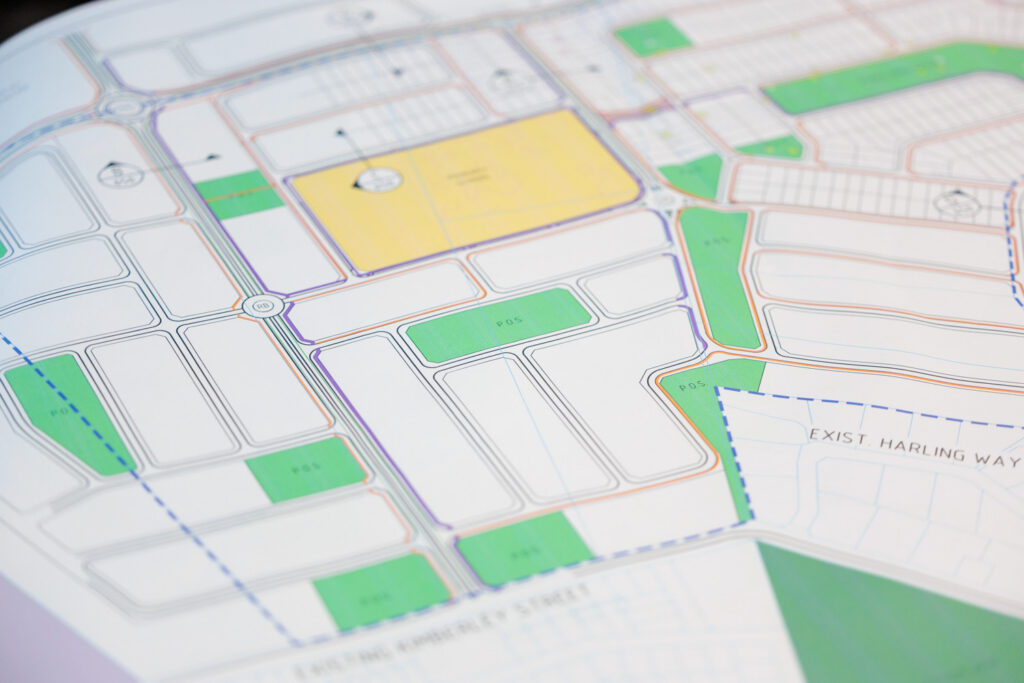
Sustainability starts at the planning stage. Cossill & Webley incorporates the following principles into master planning and subdivision design as a standard part of our service — not an optional extra.
Planning
- Integration with existing landform to minimise cut-to-fill
- Retention of significant vegetation at strategic locations
- Liveable Neighbourhoods compliance and transit-oriented design
- Solar orientation of lots to maximise passive energy performance
- Diverse housing types and price points
- Connected pedestrian and cycle networks within and beyond the site
- Integration of public transport networks and intermodal connections
- Design guidelines incorporating 5-Star and 5-Star+ Energy Rating requirements
- Ongoing community consultation and engagement
Earthworks
- Working with developers to maintain significant vegetation
- Preserving fringing vegetation along roads, waterways and rail corridors
- Transplanting significant vegetation into POS areas prior to clearing
- Litter and seed collection for foreshore and POS re-vegetation
- Tree harvesting of millable timber prior to clearing
- Mulching vegetation for parks, gardens and compost
- Topsoil respreading and haul road reuse
- Reducing cut-to-fill and quarrying sand for re-use elsewhere
- Single-sided laneways to maintain landform on steep sites
- Non-gravity sewer systems to reduce earthworks and imported fill
Roadworks
- Recycled construction and demolition waste in road base
- Permeable pavement systems
- Flush kerbing to minimise drainage trenching and encourage infiltration
Social Sustainability
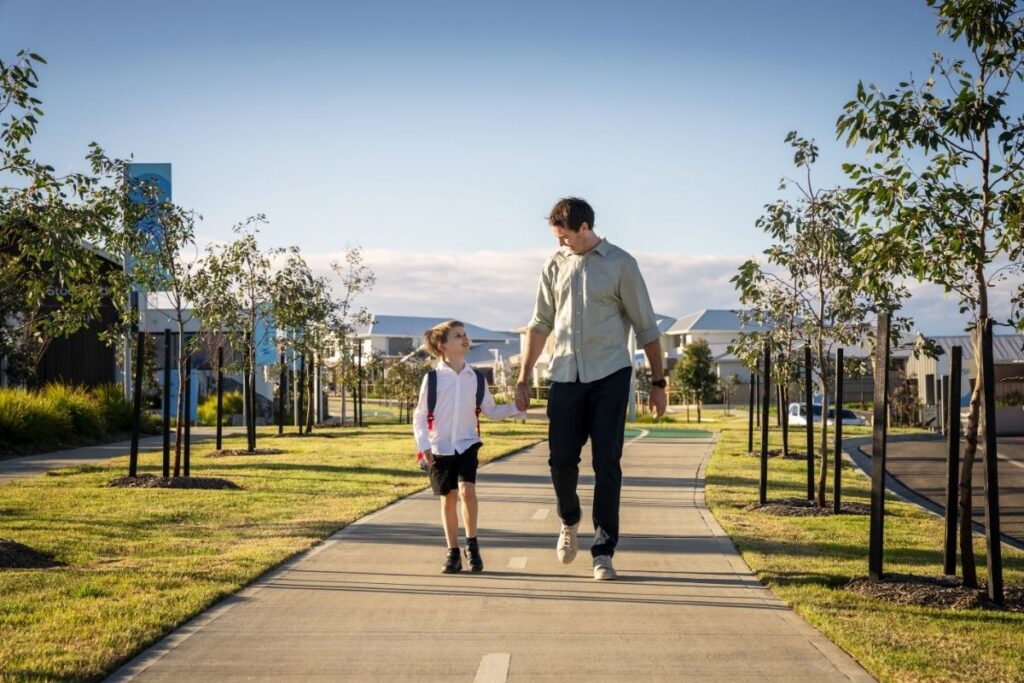
Sustainable development is not only environmental – it is about creating communities that are safe, connected, equitable and resilient over the long term. Cossill & Webley considers social sustainability as an integral part of every project.
Our contributions include:
- Stakeholder engagement throughout the design and approvals process
- Public open space designed for active and passive recreation — maximising lots within 400m of POS
- Passive surveillance through good design — permeable fencing, windows to streets, open paths and good lighting
- Traffic calming to reduce hoon behaviour and protect pedestrian safety
- Heritage and culture recognition, including Indigenous and post-European history
- Government and industry partnerships, including Water Corporation and scientific community involvement
- Accessible design standards for public access ways and dwellings
- Housing diversity across a range of product types and price points
- Sustainable living information packages and home owner education materials
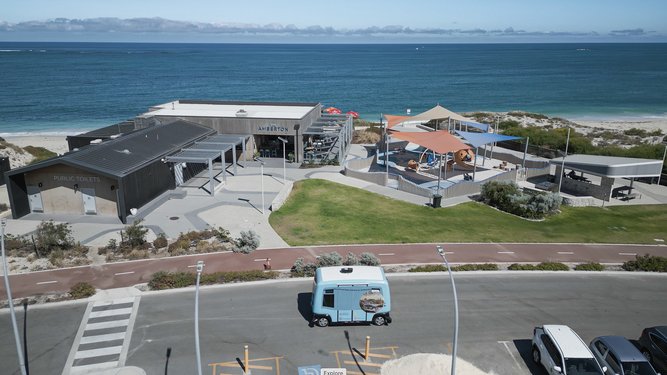
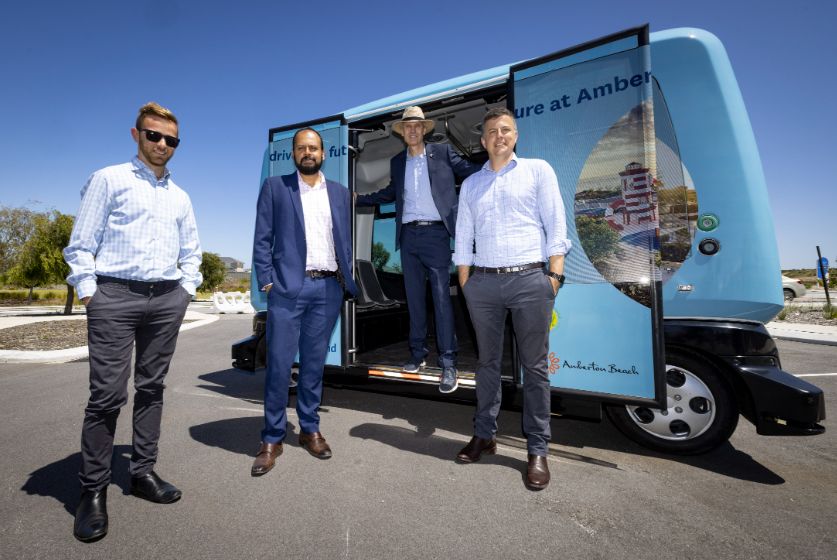
Amberton Beach – Autonomous Bus Trial
Cossill & Webley’s involved and committed to innovation and sustainable transport, while helping to advance WA’s leadership in autonomous transport.
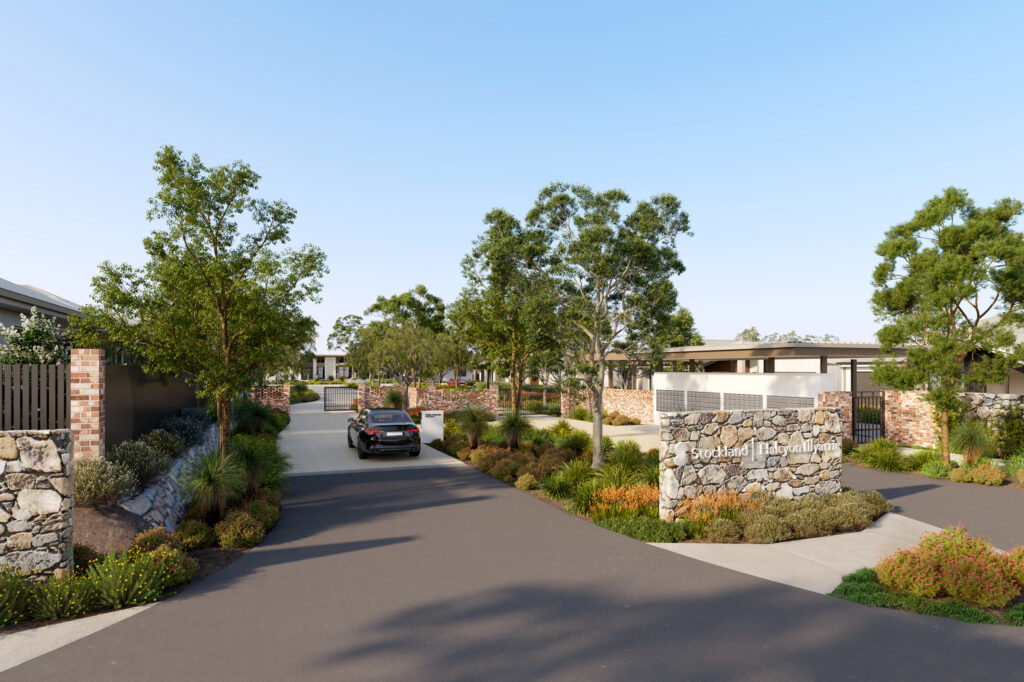
Land Lease Communities
Cossill & Webley’s long-term client, Stockland, is redefining sustainable and cost-efficient living in Western Australia.
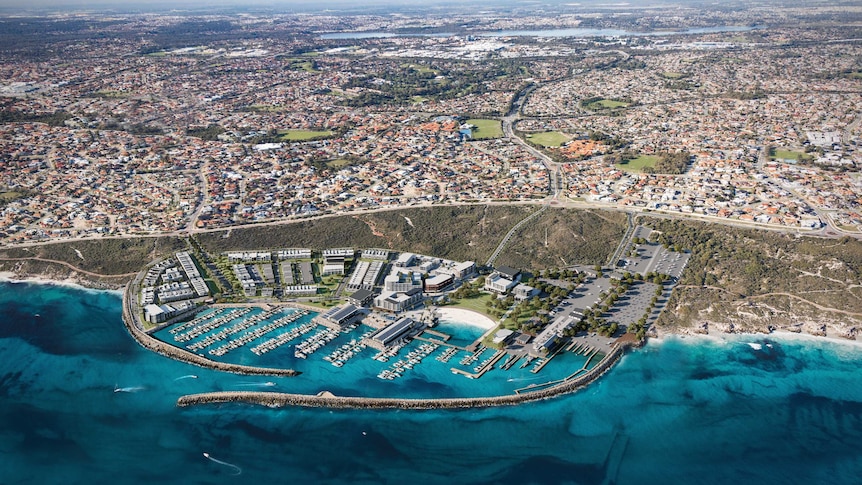
Ocean Reef Marina Microgrid
The Ocean Reef Marina development is set to become a national leader of sustainable coastal living.
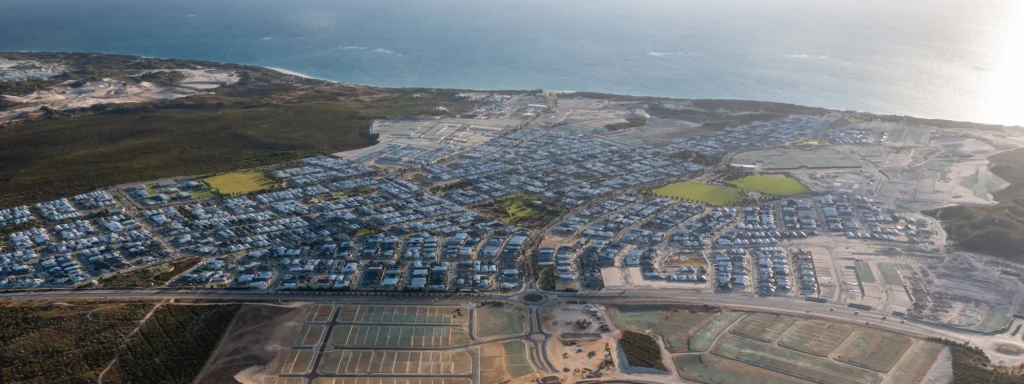
Eglinton Village
Eglinton Village is a carefully considered development setting a new benchmark for sustainable community living.
What Sets Us Apart
Cossill & Webley’s in-house capability - through our Energy Transformation division and experienced civil engineering team - enables true integration of energy, water, climate and ecological considerations from day one.
For developers seeking a single, coordinated team with real technical depth across the full sustainability agenda, we offer a level of integration and capability unmatched in the Western Australian and Victorian urban development industries.